
UI- USM in Langkawi
UI–USM SustainaBlue Collaboration Project Advances Sustainable Coastal Development in Langkawi
Langkawi, Kedah | 14–19 June 2026
The UI–USM SustainaBlue Collaboration Project, held from 14 to 19 June 2026 in Langkawi, Kedah, successfully brought together students and academics from Universitas Indonesia (UI) and Universiti Sains Malaysia (USM) to promote sustainable coastal development through community engagement, environmental conservation, and knowledge exchange.
The programme aimed to empower coastal communities by supporting the blue economy, strengthening local enterprises, and raising awareness of environmental sustainability through a series of field-based activities and educational initiatives.
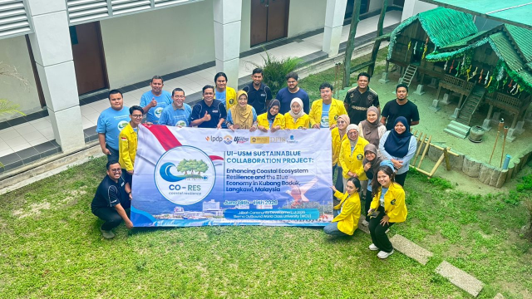
Figure 1. UI and USM teams during the Community Development Programme in Langkawi, Malaysia.
Opening Ceremony
The programme commenced with opening remarks by Dr. Retno Lestari, M.Si., Head of the UI Community Development Team, and Prof. Dr. Mahadi Mohammad, Director of the Centre for Marine and Coastal Studies (CEMACS), Universiti Sains Malaysia. Both speakers highlighted the importance of international collaboration in addressing coastal sustainability challenges while strengthening academic partnerships between the two universities.
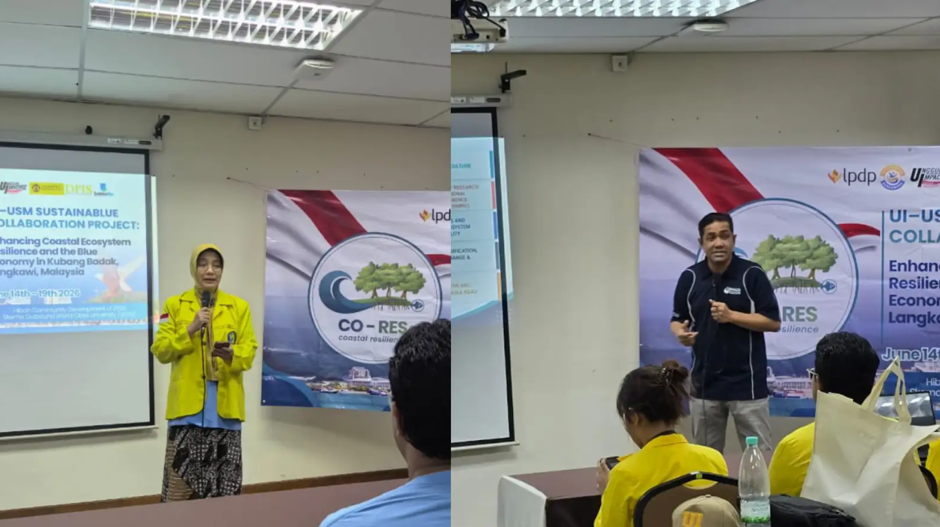
Figure 2. Opening remarks by Dr. Retno Lestari, M.Si. (left) and Prof. Dr. Mahadi Mohammad (right).
Supporting Local Businesses through Innovation
One of the programme's key activities was a visit to Perniagaan Haji Ismail Group (PHIG), where participants observed and evaluated local product branding and packaging strategies. The visit provided valuable insights into improving the competitiveness and marketability of community-based products.
The team also conducted awareness and knowledge-sharing sessions with Micro, Small, and Medium Enterprises (MSMEs) in Pantai Cenang. These sessions introduced the use of artificial intelligence (AI) in digital marketing and financial management, equipping local entrepreneurs with practical tools to enhance business sustainability.
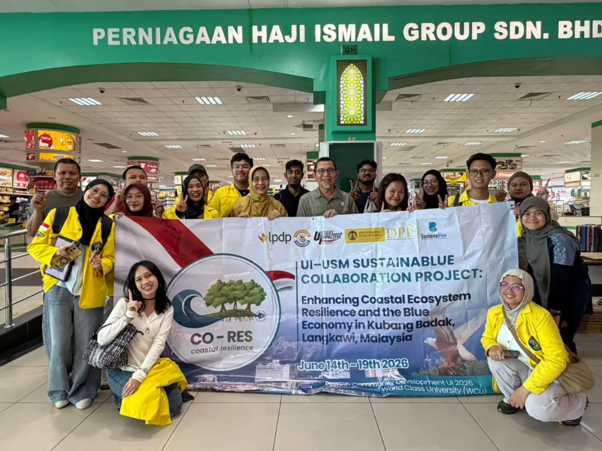
Figure 3. UI and USM teams visiting Perniagaan Haji Ismail Group (PHIG), Langkawi.
Environmental Conservation and Sustainable Aquaculture
Environmental education formed another major component of the programme. Students from UI and USM conducted educational activities with local communities at the Kubang Badak Mangrove Area, promoting awareness of mangrove ecosystems and encouraging sustainable resource management.
Participants also visited a community-based oyster farm established by CEMACS, where they gained first-hand experience in sustainable aquaculture practices, oyster cultivation techniques, and post-harvest processing methods. The visit demonstrated how sustainable oyster farming contributes to the resilience and economic development of coastal communities.
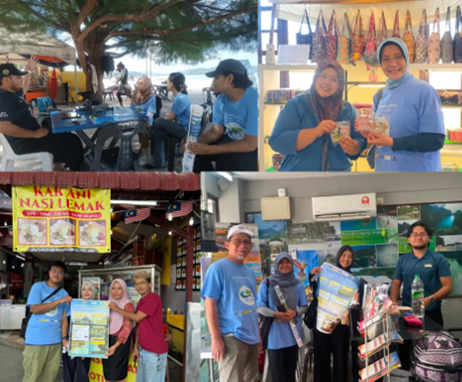
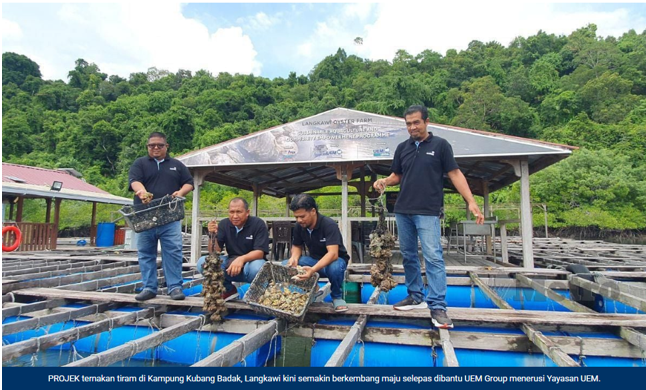
Figure 4. (Left) Survey with MSMEs at Pantai Cenang. (Right) Visit to the Langkawi Oyster Farm, Kubang Badak.
Academic and Cultural Exchange
The collaboration further strengthened academic ties through scientific presentations and knowledge-sharing sessions between UI and USM participants. Discussions focused on current environmental challenges, including marine pollution and microplastic contamination, while encouraging the exchange of research findings and innovative ideas.
Student-led cultural performances also provided an opportunity to celebrate cultural diversity, strengthen friendships, and foster mutual understanding between the two institutions.
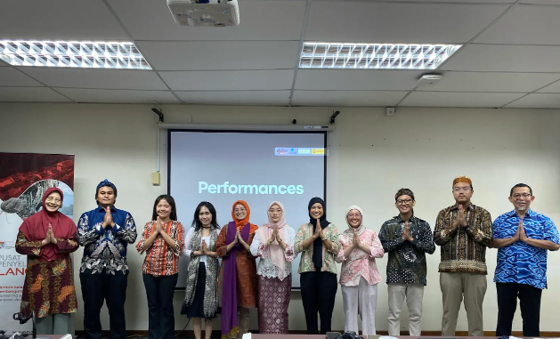
Figure 5. Cultural performance by the Universitas Indonesia team.
Exploring Langkawi's Natural Heritage
The programme concluded with field observations at the Kilim Karst Geoforest Park, part of the UNESCO Global Geopark Langkawi. Participants explored the area's mangrove ecosystems, biodiversity, and ecotourism initiatives while gaining a deeper appreciation of conservation and sustainable environmental management.
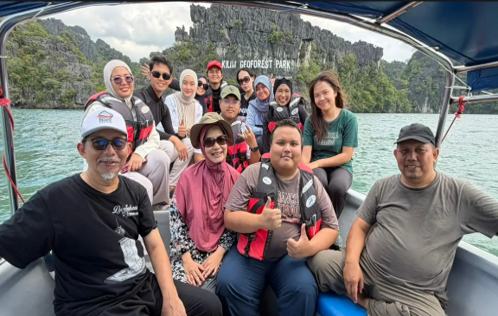
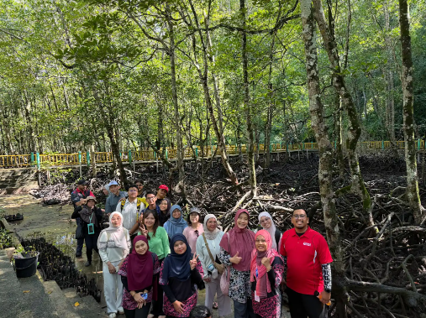
Figure 6. Field observations at Kilim Karst Geoforest Park, part of the UNESCO Global Geopark Langkawi.
Conclusion
The UI–USM SustainaBlue Collaboration Project successfully integrated academic collaboration, community engagement, environmental education, and sustainable economic development into a meaningful international programme. Through shared knowledge, practical field experiences, and strong partnerships with local communities, the initiative reinforced the commitment of both universities to advancing sustainable coastal development and supporting the long-term well-being of coastal communities.
- Hits: 348