
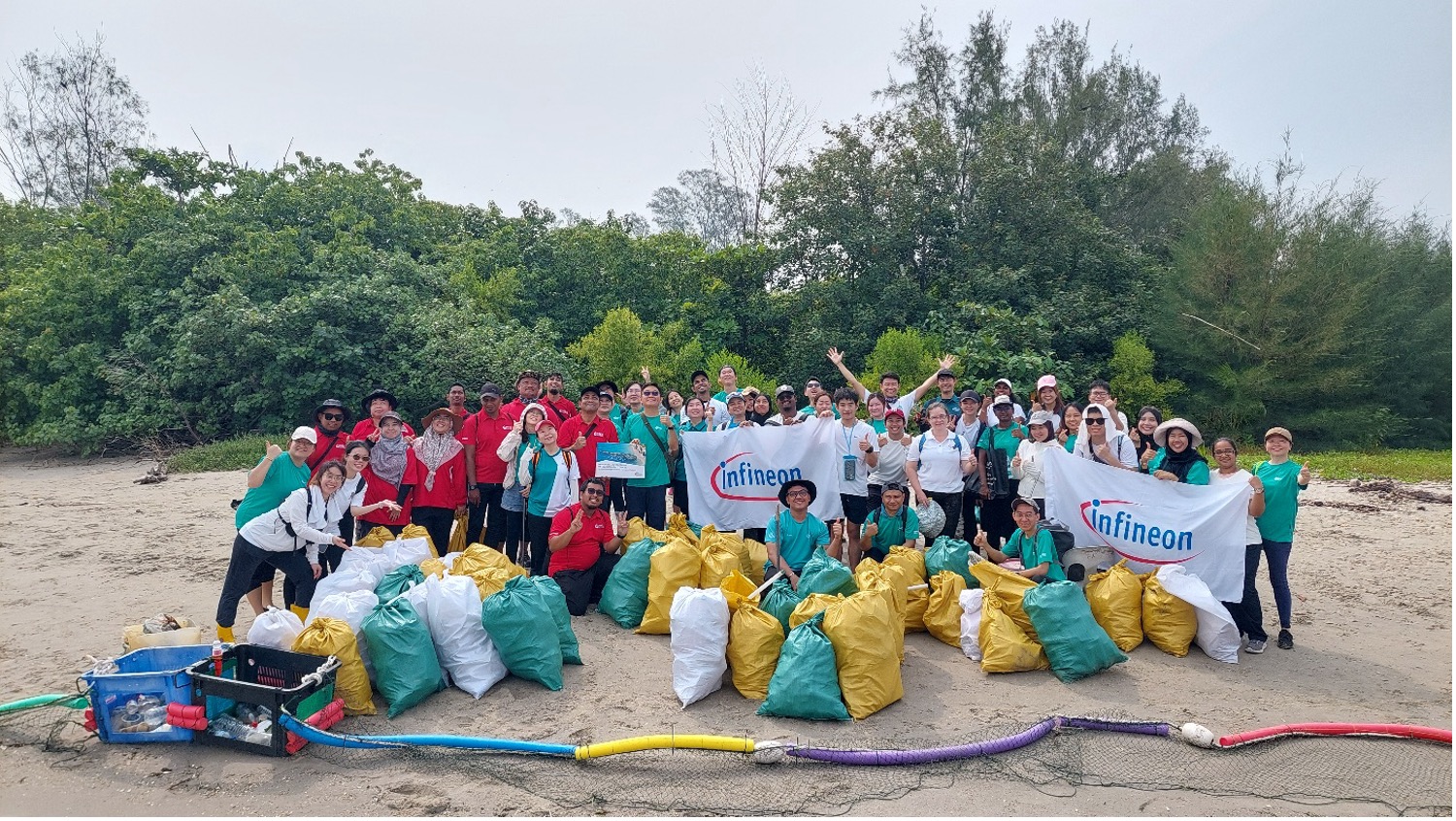
The cleanup, held on 13 August 2026, brought together 52 participants, comprising 40 Infineon employees and 12 CEMACS personnel, who collected 53 gunny bags of waste and recorded 11,062 individual debris items during the exercise.
Volunteers also removed larger discarded items that could not be bagged, including plastic chairs and a blue plastic drum.
Led by CEMACS Director, Associate Professor Dr. Mahadi Mohammad, and Infineon Managing Director, Gark Chee Jin, the programme combined environmental conservation efforts with scientific research using the Ocean Conservancy's International Coastal Cleanup (ICC) methodology.
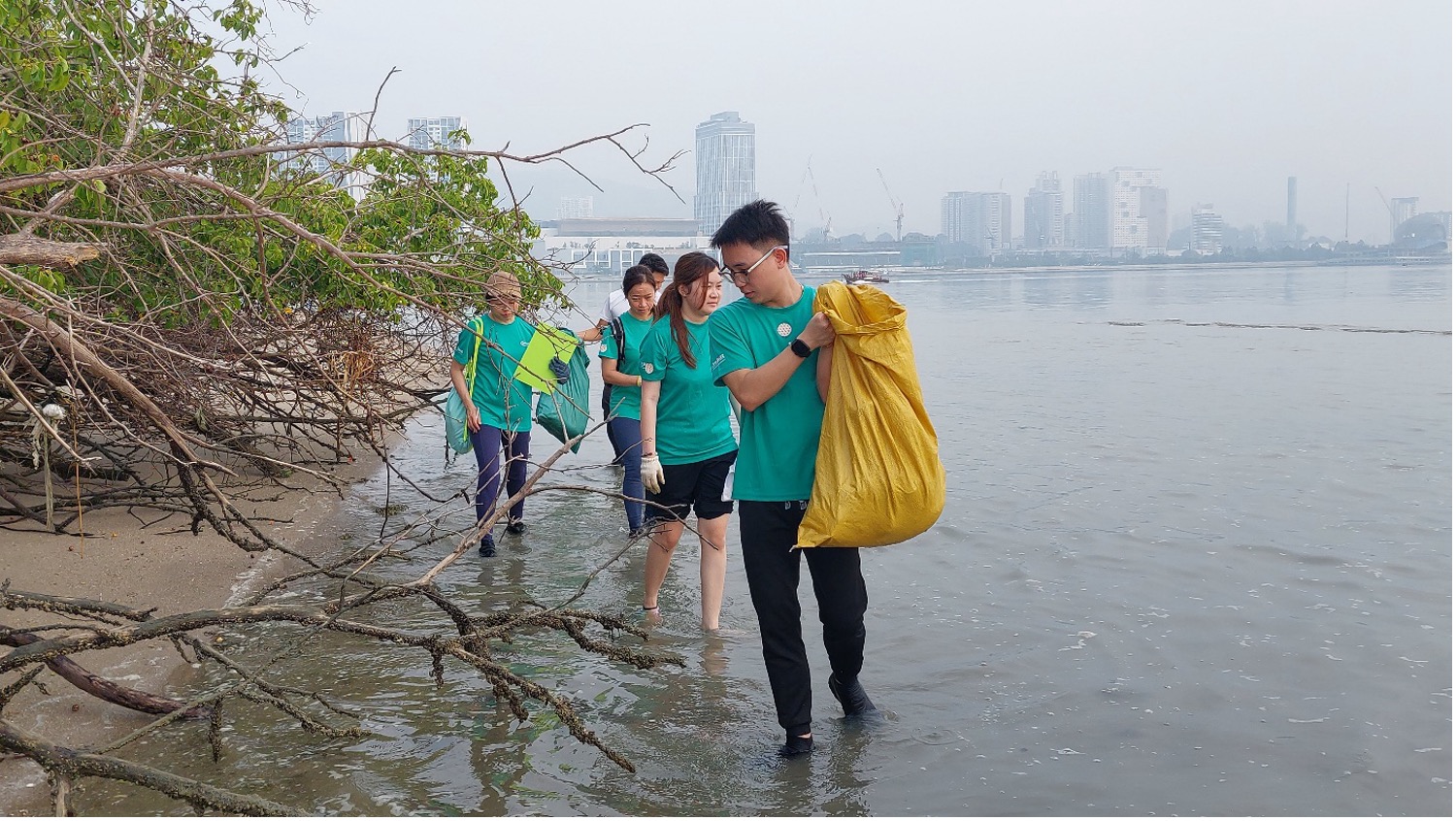
Participants were divided into eight groups and assigned to different areas of the island, including sandy shorelines, intertidal mudflats, and coastal vegetation zones.
Every item collected was sorted and documented using standard ICC data sheets under the supervision of CEMACS researchers.
The survey revealed that single-use plastics accounted for 8,438 items, representing 76.3 per cent of all waste collected, underscoring the significant impact of disposable plastic products on the marine environment.
Among the most commonly recorded items were plastic bottle caps (3,720 items, 33.6 per cent), followed by plastic beverage bottles (2,576 items, 23.5 per cent), and food wrappers (2,122 items, 19.2 per cent).
The team also documented four marine animals affected by debris, comprising two jellyfish and two crabs, highlighting the direct risks marine litter poses to coastal wildlife and habitats.
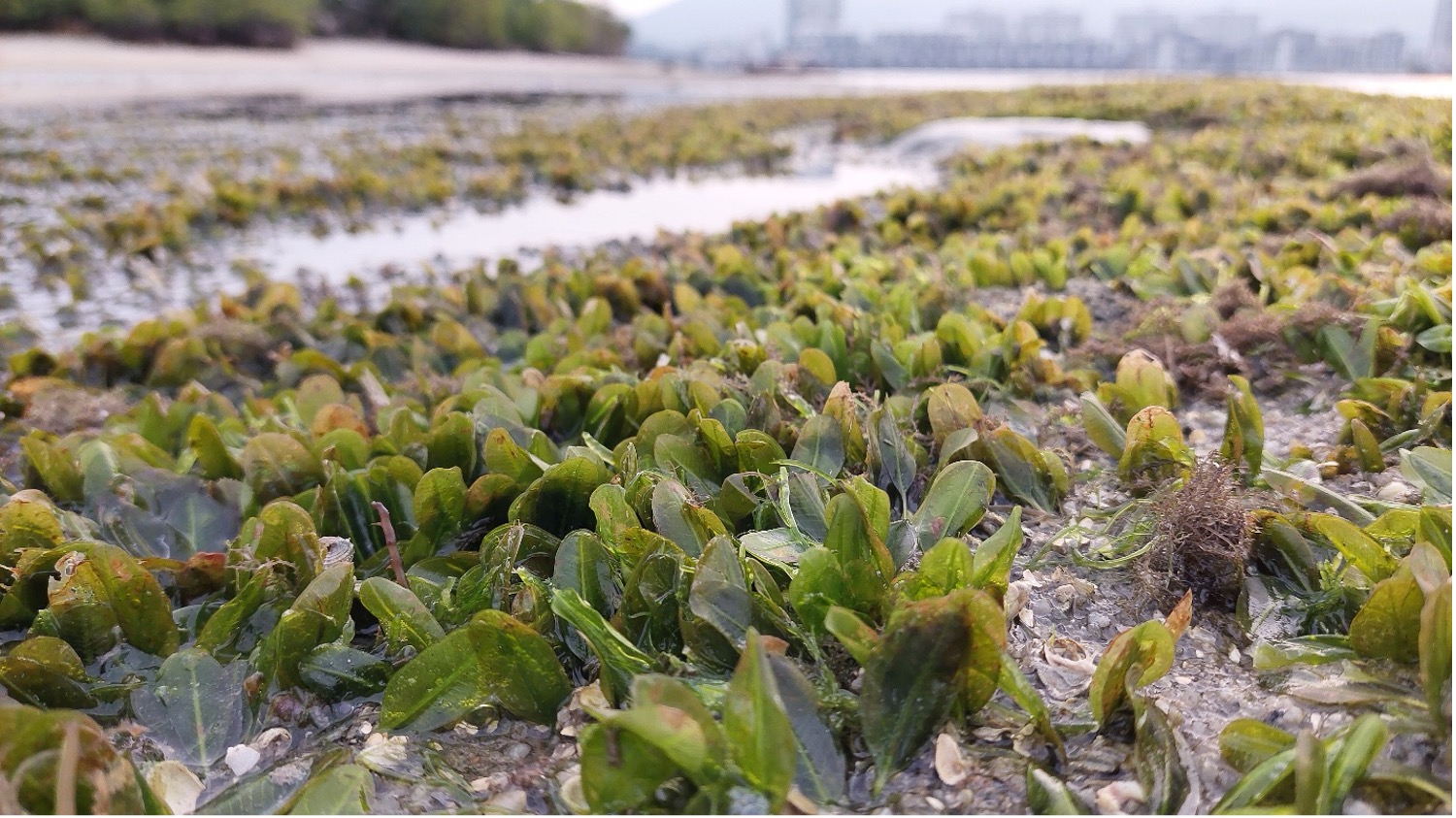
Located off the eastern coast of Penang Island near the Penang Bridge, Pulau Gazumbo is an uninhabited artificial islet that supports an important intertidal ecosystem, including seagrass habitats that serve as nurseries for marine species such as shrimps, crabs, snails, and sea cucumbers.
The island has also become an important long-term monitoring site for CEMACS researchers. However, because it is not a public recreational area and does not receive routine cleaning services, debris carried by tides and currents often accumulates along its shoreline.
Speaking on the significance of the initiative, Mahadi said the volume of waste collected should serve as a warning rather than a measure of success.
"We must not view large volumes of collected waste as a badge of pride or a simple triumph. These figures are a sobering reminder of our dependence on single-use plastics and the gaps in our waste management habits. The real success lies in reducing waste at its source rather than repeatedly removing it from fragile coastal habitats," he said.
Meanwhile, Gark described the programme as a meaningful “out-of-office” learning experience for Infineon employees, providing them with a deeper understanding of the environmental consequences of everyday consumer behaviour.
"This initiative gave our employees valuable first-hand exposure to the scale of marine pollution and reinforced the importance of making responsible choices in our daily lives. It also reflects Infineon's ongoing commitment to sustainability and environmental stewardship within the local community," he said.
Beyond removing debris, the collaboration offered participants practical insights into how land-based consumption patterns and waste disposal practices can affect marine and coastal ecosystems.
CEMACS intends to continue strengthening partnerships with industry and the community through science-based environmental programmes, including participation in the International Coastal Cleanup Campaign 2026, which is scheduled to take place in September.